Computer Science
The Nebraska Difference
Flexibility for students to add a second major
81% placement rate for new graduates seeking job
Develop as a Complete Engineer®
$81,000 average starting salary for new graduates
Program Features
Hands-On Learning from Day One
Build practical experience throughout the curriculum through team-based projects, applied coursework, software development and a yearlong Senior Design project sponsored by industry or faculty partners.
Industry Connections & Internships
Nebraska’s growing tech ecosystem gives students access to internships, employer networking events, startup opportunities and industry partnerships with companies across Lincoln, Omaha and beyond.
Specialized Focus Areas
Customize your degree through advanced study in high-demand areas, including artificial intelligence, cybersecurity, software engineering, high-performance computing, networking, robotics, embedded systems and user-centered computing.
Notable Courses
Computer Science I (CSCE 155E)
Introduction to problem solving with computers. Topics include problem solving methods, software development principles, computer programming, and computing in society.
Computer Science II (CSCE 156)
Data structures, algorithms, programming language topics, and design and implementation of a multilayer application with SQL database.
Human-Computer Interaction (CSCE 378)
Learn to design user-friendly computing systems through interface design, prototyping, usability testing, human behavior analysis and iterative development for effective human-computer interaction.
Programming Language Concepts (CSCE 322)
List-processing, string-processing, and other types of high-level programming languages.
Artificial Intelligence for Social Good (CSCE 417)
Explore how artificial intelligence and machine learning address societal challenges in healthcare, education, sustainability, public safety, transportation, agriculture and social services.
Senior Design (CSCE 486)
A computer science project requiring design, planning, teamwork, communication, and the integration and application of technical and analytical aspects of computer science and software engineering.
Huskers Do Big Things
Internships
- Sandhills systems intern, Sandhills Publishing, Lincoln, Nebraska
- Data science intern, Hudl, Lincoln, Nebraska
- IOS intern, OSG Corporation, Irving, Texas
- Research intern, ABB Corporate Research Center, Raleigh, North Carolina
- Application development intern, Buildertrend, Omaha, Nebraska
Careers
- Technology specialist, TD Ameritrade, Omaha, Nebraska
- Mobile app developer, Sandhills Publishing, Lincoln, Nebraska
- Programmer, Nebraska Heart Hospital, Lincoln, Nebraska
- Implementation consultant, Fast Enterprises, LLC, Atlanta, Georgia
- Software consultant, Self Employed, Austin, Texas
Graduate Schools
- Ph.D., Computer Science, University of Nebraska–Lincoln
- Ph.D., Computer Science, Ohio State University
- M.D., University of Nebraska Medical Center
- M.S., Mathematical Science, Purdue University
Outside the Classroom
At Nebraska, you’ll have many opportunities to discover your academic community and stretch your strengths.
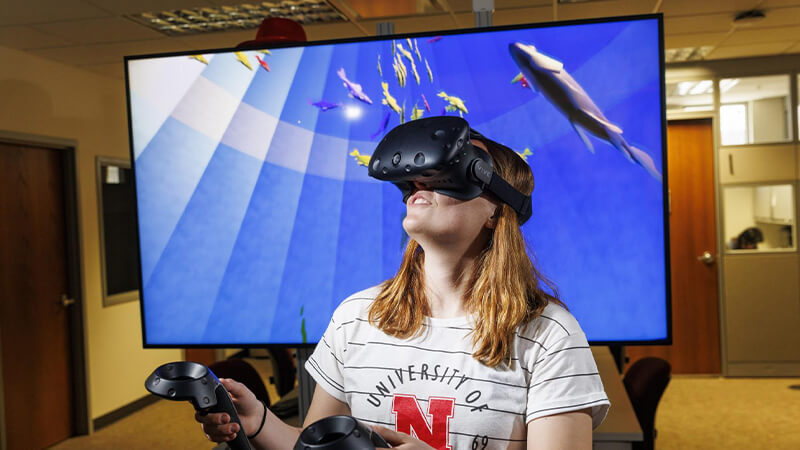
Spend a full academic year working on a team to complete a real-world project for an industry or faculty sponsor in the Senior Design course.
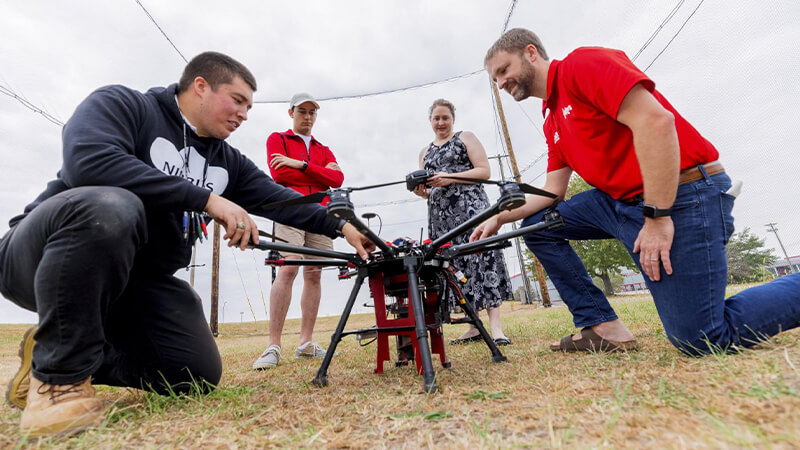
Join faculty in research labs to gain experience in a specific area of computing. For example, our NIMBUS Lab allows students to participate in drone development.

Gain career experience while completing academic requirements by earning course credit for an approved internship.
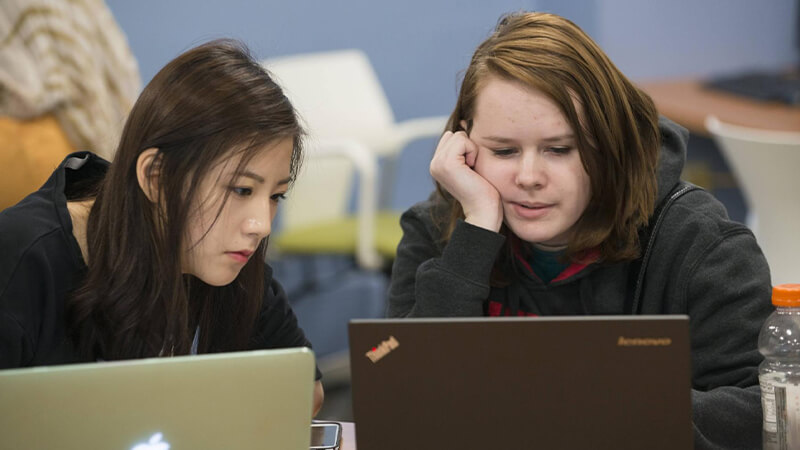
Use the Learning Assistant Program that helps first-year computing majors succeed through partnerships with upper-level students, academic support and improved learning experiences.
Featured Faculty
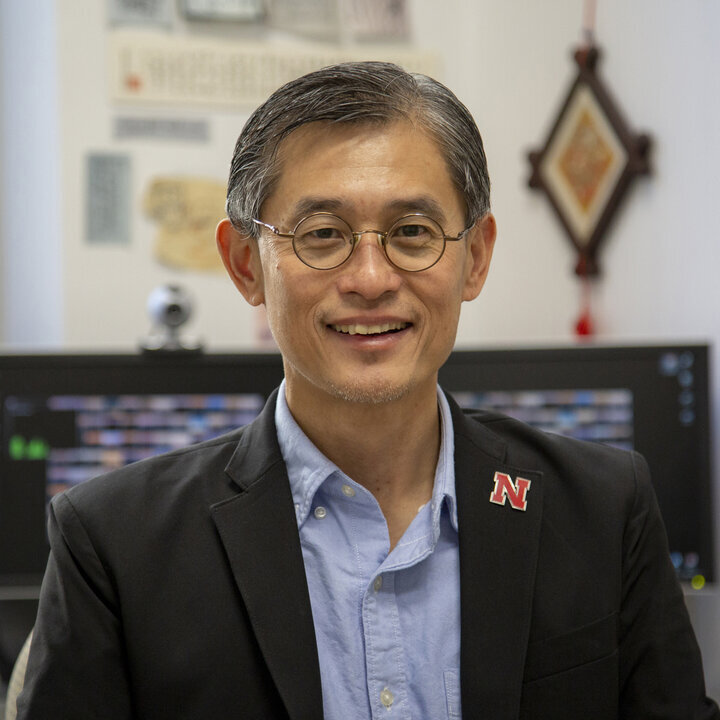
Leen-Kiat Soh, Charles Bessey Professor
Leen-Kiat Soh’s research focuses on artificial intelligence, machine learning, intelligent agents and computer science education. His work explores how AI can solve complex real-world problems through collaboration, automation and data-driven decision-making.
Academics & Experiential Learning
- Many choose to add a second major or a minor in another complementary subject, such as business or math. You can also add another minor if you have completed the foreign language requirement.
- You will have the option to enroll in our accelerated master’s program, which allows you to begin taking graduate courses as an undergraduate and complete your master’s degree in just one additional academic year.
Career Preparedness
- If you need help finding an internship, preparing for an interview or polishing your resume, the College of Engineering’s career advisor is available to offer guidance and answer questions.
- The School of Computing hosts a variety of career events throughout the school year to introduce students to hiring employers seeking their skills.
- Explore opportunities at the University Career Fair, on Visiting Employer days or at the annual fall event, Connect to the Network.
Community
- Join one of our computing-focused student organizations to learn new skills and connect with students who share your interests.
- Visit our Student Resource Center, a community hub where students can study and socialize with fellow majors.
Have Questions? We're Here to Help
If you have questions about the Computer Science major or navigating the application process, contact us.
- Contact Name
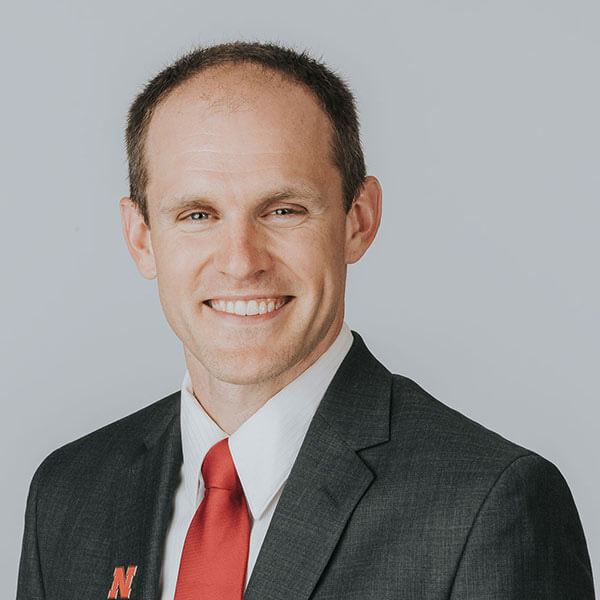
- Jeff Beavers
- Contact Title
- Director of Recruitment
- Phone
-
-